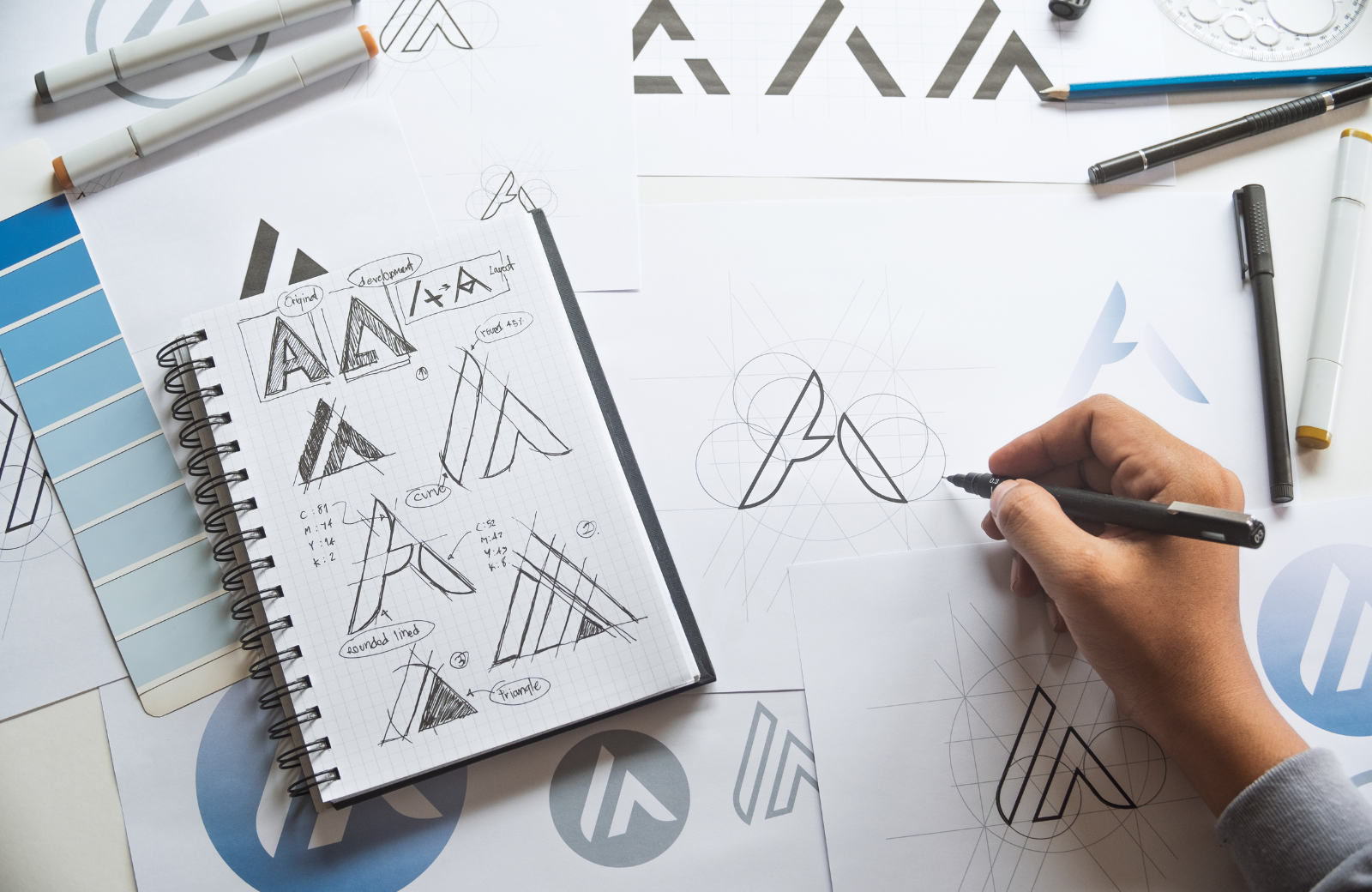
A lot of small businesses spend a lot of money on a logo, launch it, and then wonder why nothing changed. They expect the visuals to do the heavy lifting of sales and reputation. But the reality is simple: A logo is an identifier, not a brand.
It tells people what to look for. It doesn't tell them why they should care.
Your brand is the full picture. It’s how you talk about what you do, who you position yourself for, what you stand for, and what you consistently show up saying across every channel. A great logo paired with inconsistent messaging, generic copy, and no clear positioning is still just a confused brand.
To build something that actually resonates, you have to focus on the three things that actually matter—in the right order.
1. Positioning: The Foundation
Who are you for, and how are you different from the alternatives?
Your positioning should be specific enough that someone reading it can immediately picture whether they’re your ideal client or not. Vague positioning—like saying "we serve small businesses that want to grow"—doesn’t help anyone decide anything. It’s noise.
Effective positioning should:
- Identify a specific pain point.
- Call out a specific audience.
- State a clear competitive advantage.
If your positioning is "for everyone," you are essentially for no one. You aren't being helpful by being broad; you're just being forgettable.
2. Voice: The Delivery
How do you talk? Are you formal or conversational? Direct or nurturing? Do you use humor, or are you strictly "just the facts"?
Your voice should be consistent across your website, your social media, your proposals, and your emails. Consistency creates a sense of reliability. If your Instagram is "edgy" but your proposals are "stiff and corporate," you don’t have a brand voice—you have inconsistency.
People buy from people they feel they know. If your voice is constantly shifting, they can’t get to know you.
3. Visual Identity: The Container
Yes, this includes the logo. But it also includes your color palette, typography, photography style, and the overall "look and feel" of your materials.
The visuals are the container for your strategy. They should all point in the same direction. If your positioning is "luxury and high-end" but your photography is "grainy and DIY," the brand breaks. Every visual element must reinforce the promise made in your positioning and the tone set by your voice.
The Strategic Order of Operations
Most businesses work backward. They pick colors and a logo first because it’s the most "tangible" part of the process. This is a mistake.
Get the positioning and voice right first. Then build the visuals to match.
When you lead with strategy, the design becomes easy because it has a job to do. When you lead with design, you’re just guessing. Stop worrying about the "pop" of the logo and start worrying about the clarity of the message.
What is the biggest challenge you've seen businesses face when trying to define their brand positioning?